Biographical Background: Origins and Early Formation
Robert Gober was born on 12 September 1954, in Wallingford, Connecticut, a suburban town whose quiet, middle-class domesticity would leave a lasting imprint on his artistic imagination. Raised in a Roman Catholic household, Gober received a formative education steeped in religious ritual, moral instruction, and the iconographic traditions of Catholic imagery. These early encounters with symbolism, sacrifice, and the body as a site of spiritual meaning would resurface throughout his mature work, albeit refracted through a decidedly secular, often subversive, lens.
Gober pursued his undergraduate education at Middlebury College in Vermont, graduating in 1976, before relocating to New York City, a move that proved pivotal. During the late 1970s and early 1980s, New York's downtown art scene was in a state of extraordinary ferment. The city's galleries, lofts, and community spaces buzzed with debate over appropriation, the legacy of Minimalism, and the rising tide of Neo-Expressionism. Gober absorbed these influences critically, ultimately charting a path that diverged from the bombast of many contemporaries in favour of quieter, more psychologically unsettling modes of address.
Gober has been open about his identity as a gay man, and his personal experience of marginalisation, desire, and loss, particularly in the context of the AIDS crisis, profoundly shaped his artistic practice from the mid-1980s onwards. This autobiographical dimension is never illustrative or confessional in a straightforward sense; rather, Gober transmutes lived experience into objects of disquieting ambiguity, objects that resist easy resolution.
Career Evolution: From Painting to Sculpture and Installation
Gober initially approached artmaking through painting, but by the early 1980s he had largely abandoned the medium in favour of sculpture. This shift was decisive. Rather than adopting the readymade strategies of his Duchampian forebears, Gober committed to the laborious, often painstaking process of fabricating objects entirely by hand. The effect of this commitment is paradoxical: his sculptures mimic the appearance of mass-produced, everyday objects whilst bearing the unmistakable trace of human labour.
His first major recognition came in the mid-1980s, when he began exhibiting handmade sinks cast in plaster, wire lathe, and enamel paint at the Paula Cooper Gallery in New York. These works, precise simulacra of domestic fixtures, were at once utterly familiar and profoundly strange. Exhibited in clusters or singly against white gallery walls, the sinks were disconnected from plumbing and utility; they could not function. This displacement from function to contemplation constituted a central gesture in Gober's emerging practice.
Throughout the late 1980s and 1990s, Gober expanded his formal vocabulary considerably. He introduced wax body fragments severed legs emerging from walls or floors, torsos, fragments of the human form rendered with extraordinary anatomical fidelity alongside elaborately constructed installation environments. His participation in documenta IX in Kassel (1992) and the Venice Biennale (2001), where he represented the United States, confirmed his standing as a major figure in international contemporary art. The retrospective organised by the Museum of Modern Art, New York, in 2014–2015 provided the most comprehensive survey of his career to date, drawing critical acclaim and substantially deepening scholarly engagement with his practice.
Thematic Concerns: The Body, Domesticity, and Political Identity
Any serious analysis of Gober's oeuvre must grapple with the complexity of his thematic preoccupations, which are simultaneously intimate and broadly cultural.
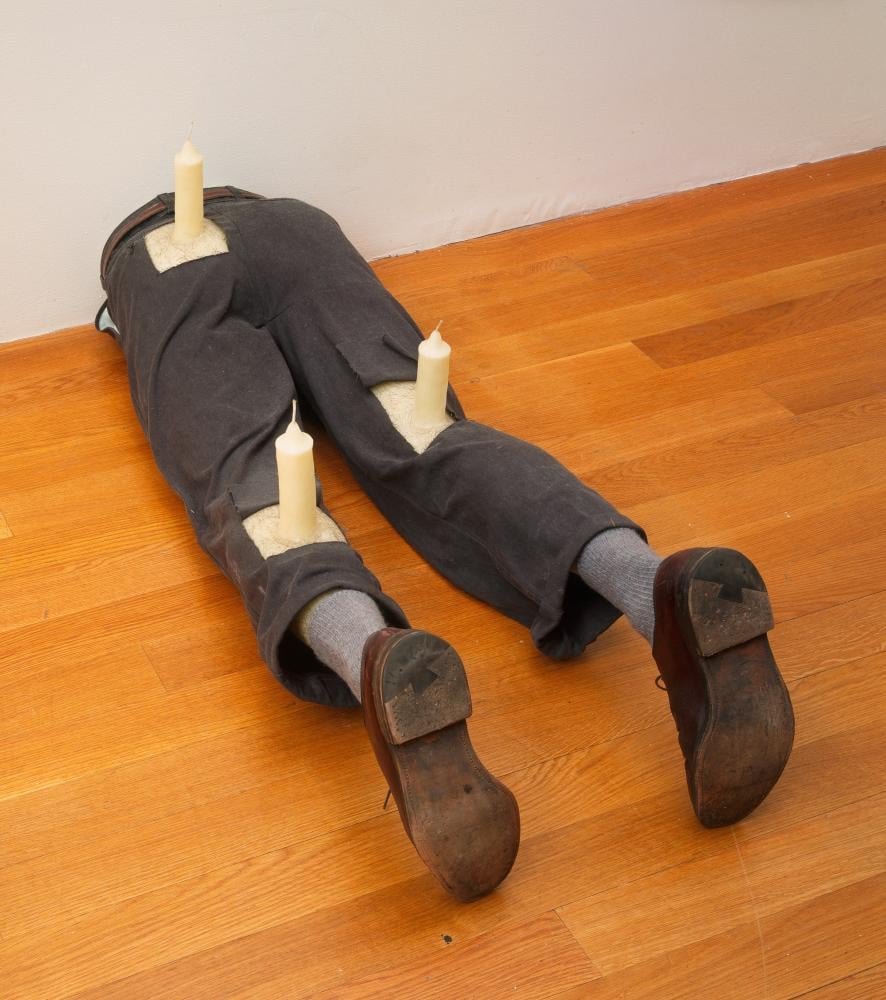
Untitled (1990–1991)
The human body occupies a central and deeply ambivalent position in Gober's work. His wax body fragments are among the most discussed objects in contemporary art, not least because they operate at multiple registers simultaneously. The truncated leg or torso, inserted into a gallery floor or wall and dressed in real fabric and hair, evokes both the presence and the absence of a whole human being. Scholars have read these fragments through a range of critical frameworks: psychoanalytic theories of the uncanny, phenomenological accounts of embodiment, and queer theory's interrogation of bodily norms and vulnerabilities.
The body in Gober's work is consistently marked by wounds, by insertions of foreign objects (candles, drains, musical scores), by the traces of desire and mortality. In works such as Untitled (1990–1991), in which a wax leg protrudes from a gallery wall, the artist transforms the gallery floor into a threshold between interior and exterior, between the living and the spectral. The formal precision of these sculptures their lifelike skin texture, the careful arrangement of hair, the exact mimicry of fabric folds intensifies rather than resolves their uncanniness.
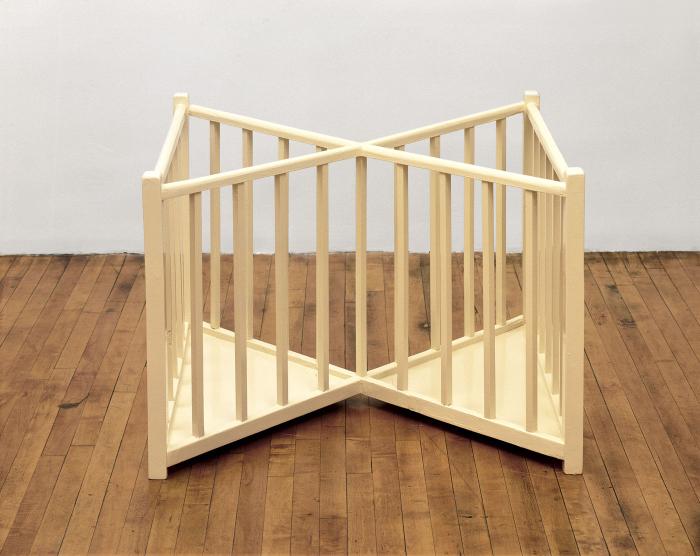
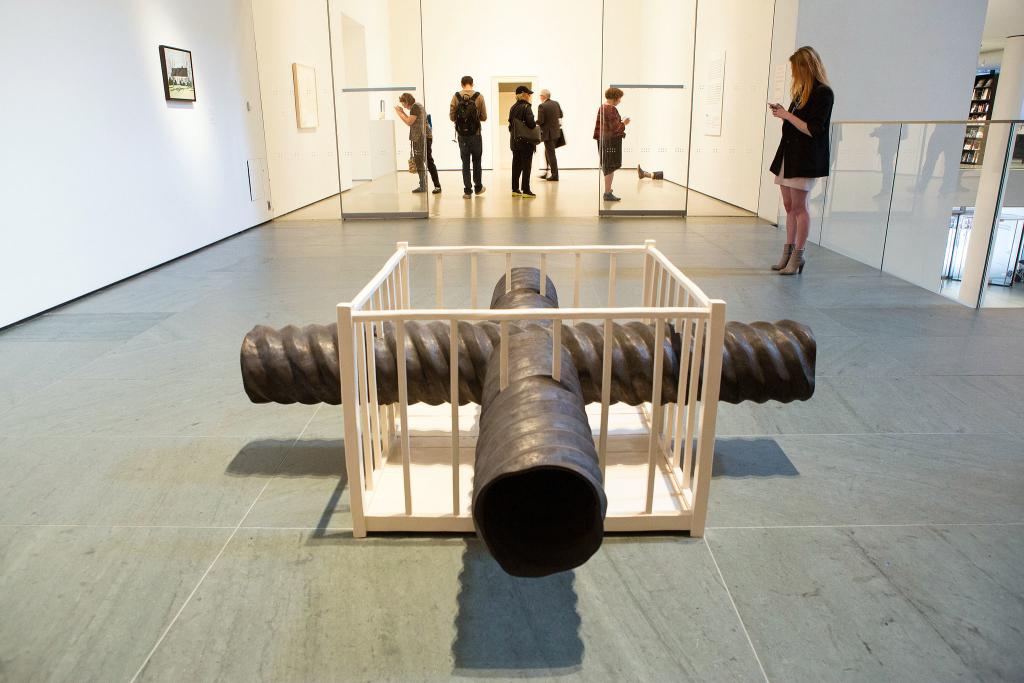
The domestic interior is another persistent territory in Gober's practice. His handmade sinks, cribs, playpens, and doors function as repositories of memory objects associated with the rituals of daily life, childhood, and the private sphere. Yet within Gober's installations, these objects are systematically estranged from their ordinary contexts. A handmade crib, exhibited as sculpture, ceases to be simply a piece of furniture; it becomes a meditation on vulnerability, care, confinement, and loss.
Gober has spoken of the importance of his childhood home, and there is a pronounced autobiographical dimension to his engagement with domestic space. However, his work consistently refuses to reduce the domestic to the merely biographical. The kitchen drain, the laundry basket, the wedding dress: these objects carry collective cultural meanings as much as personal ones. In this sense, Gober's domestic objects function as containers for shared social anxieties and desires, their familiarity becoming the vehicle for a more generalised unsettlement.
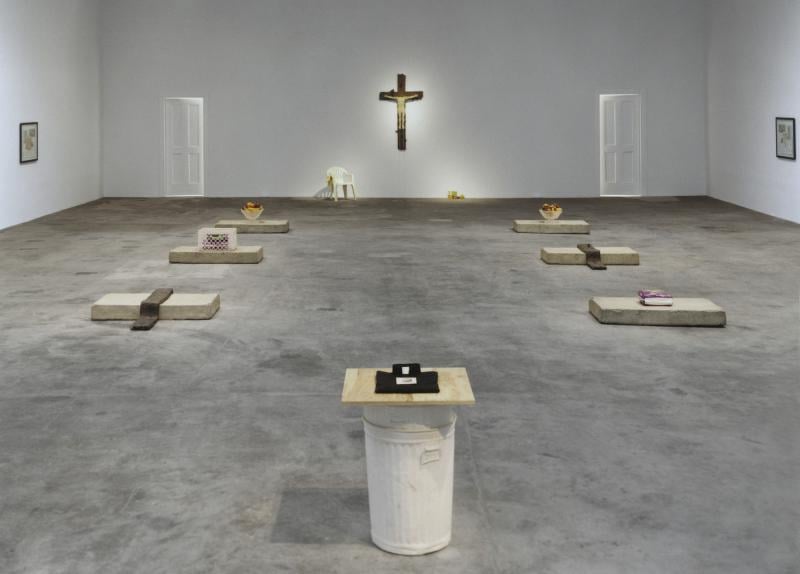
Gober's Catholic upbringing provides a persistent symbolic and iconographic substrate for his practice. His engagement with religious imagery is characterised by a productive tension between reverence and critique. Works incorporating Virgin Mary figures embedded with culverts or illuminated by mundane light sources transform sacred iconography into something altogether more complicated, simultaneously devotional and transgressive.
This tension between the sacred and the profane is inseparable from Gober's engagement with sexuality and the politics of identity. Emerging as an artist at the height of the AIDS crisis, Gober responded to that catastrophe not through documentary or polemic but through a visual language of mourning, desire, and bodily fragility. Works produced during the late 1980s and early 1990s, including wallpaper patterns combining sleeping men with lynched figures, or newspaper pages bearing altered headlines, address the intersections of homophobia, racism, and institutional indifference with quiet but devastating force.
His altered newspapers, produced in editions that circulate as artists' multiples, are particularly instructive in this regard. By reprinting actual newspaper pages with modified or invented headlines and images, many addressing AIDS, gay rights, and racial violence, Gober implicates the mass media in the construction of social reality whilst exposing the mechanisms by which marginalised lives are rendered invisible.
Notable Works and Installations
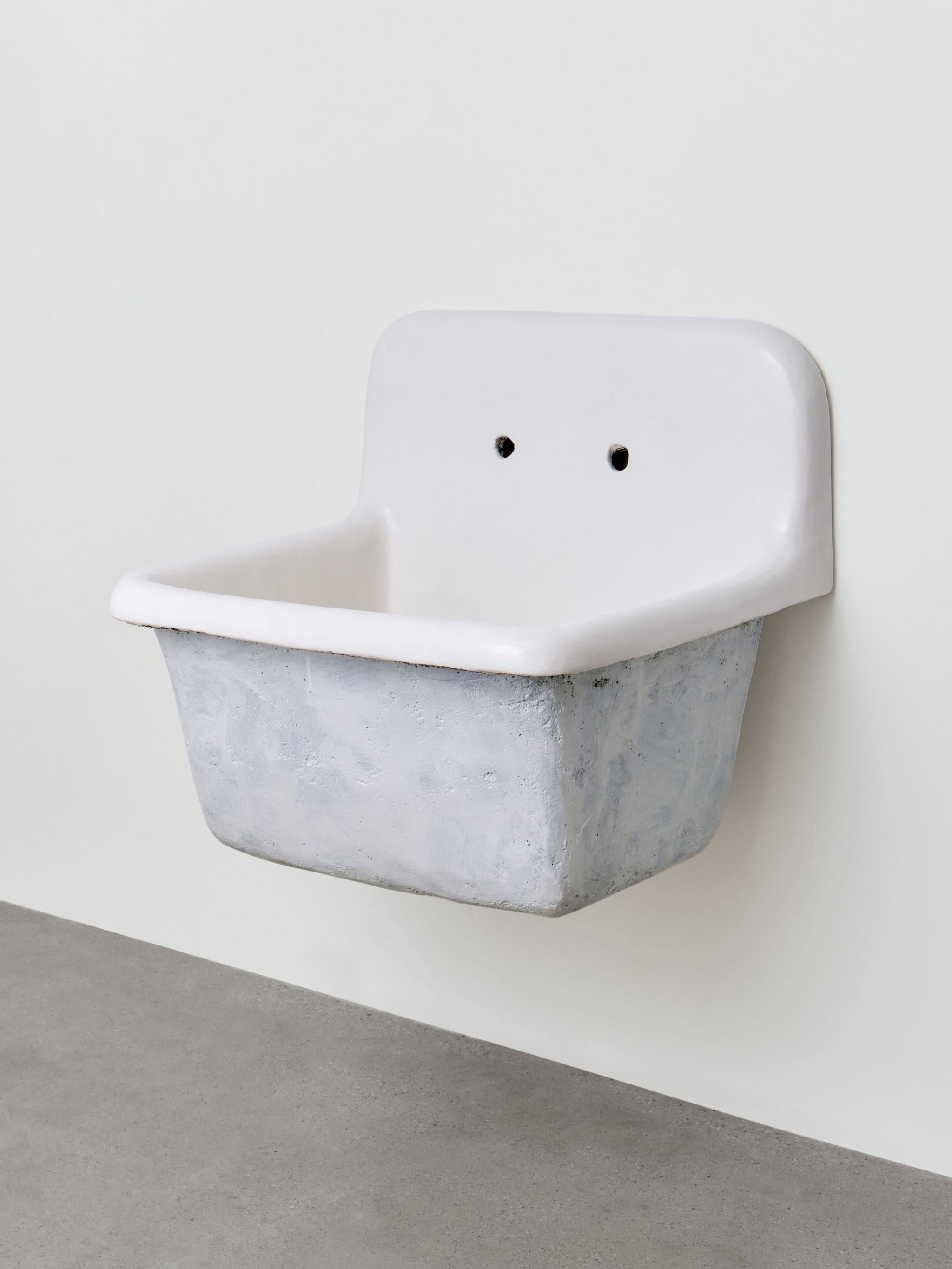
Gober's sink sculptures represent the inaugural statement of a mature artistic practice. Cast from plaster and coated in enamel-like paint, these objects are meticulous simulations of utilitarian fixtures. Their installation in gallery spaces, sometimes in groups suggesting showroom displays, sometimes singly, draws attention to the conditions under which objects acquire meaning. The sink, ordinarily invisible through its very usefulness, becomes hypervisible once removed from its functional context. Deprived of plumbing, it can neither give nor receive. It simply is an object of contemplation that reflects back upon the viewer's own bodily needs and habits.
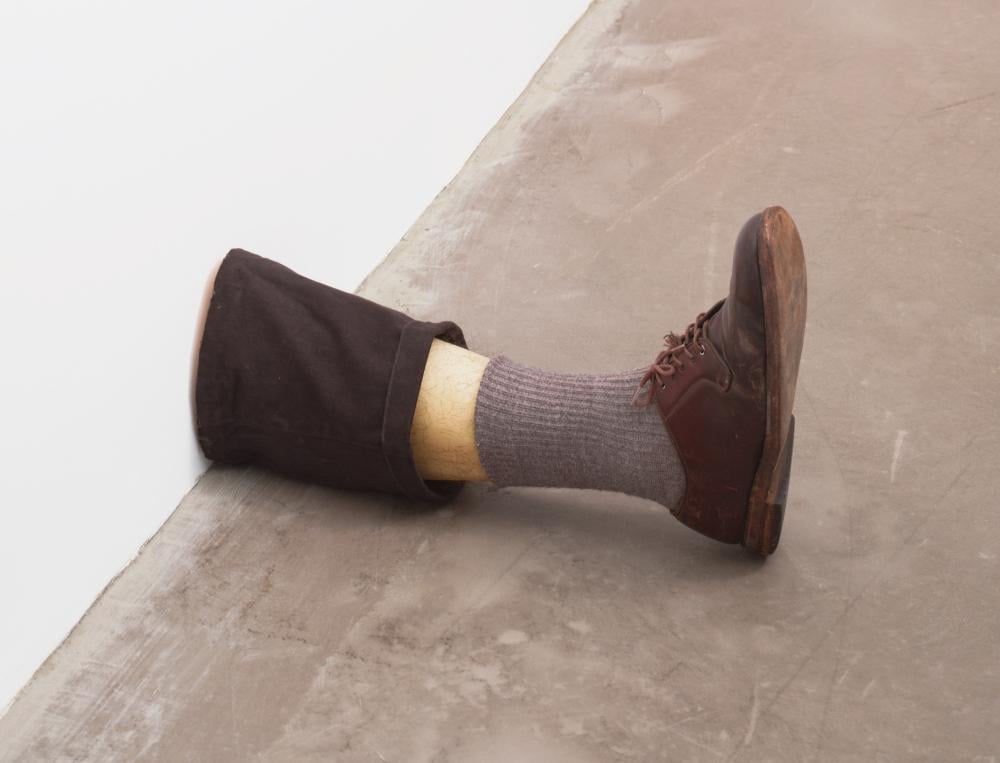
Perhaps Gober's most iconic body of work, the wax leg sculptures install truncated human forms at floor level within gallery walls. Made from beeswax, human hair, fabric, and leather shoes, these fragments achieve a vertiginous verisimilitude. The formal decision to present only a segment of the body, typically from mid-thigh downward, transforms the gallery floor into a kind of membrane between worlds, suggesting bodies that extend into unknown spaces on the other side. Art historians have productively connected these works to traditions of the ex-voto, the devotional votive offering, noting that Gober invests secular materials with the charged symbolic weight of religious artefacts.
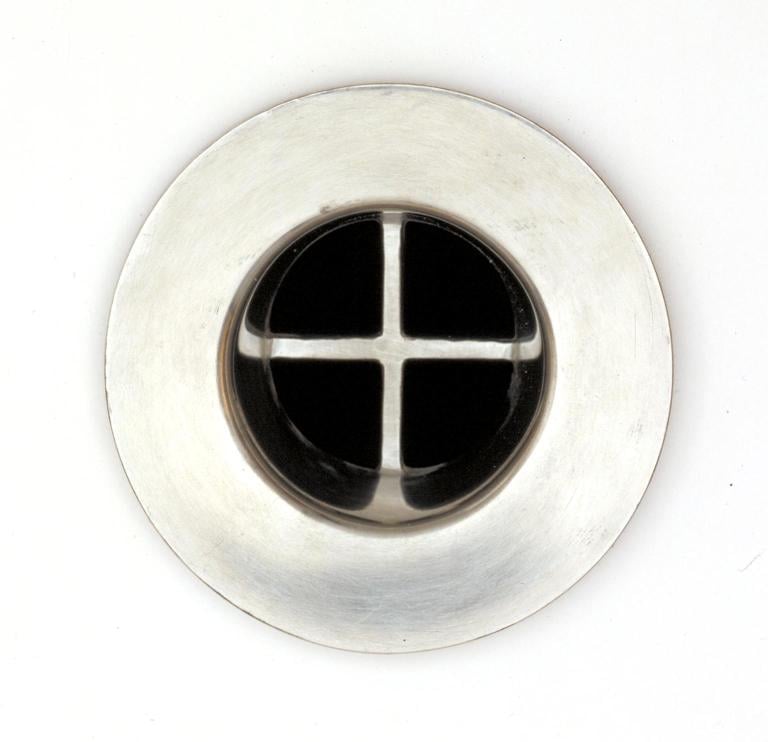
Gober's recurring use of the drain as a motif, cast in bronze or steel, or incorporated into broader installations, operates through the drain's fundamental ambivalence. The drain is a threshold: between interior and exterior, between the clean and the unclean, between the body and the world. It is a feature of domestic and public spaces alike: the bathroom, the kitchen, the street, and its appearance in Gober's installations consistently evoke processes of loss, purging, and transformation.
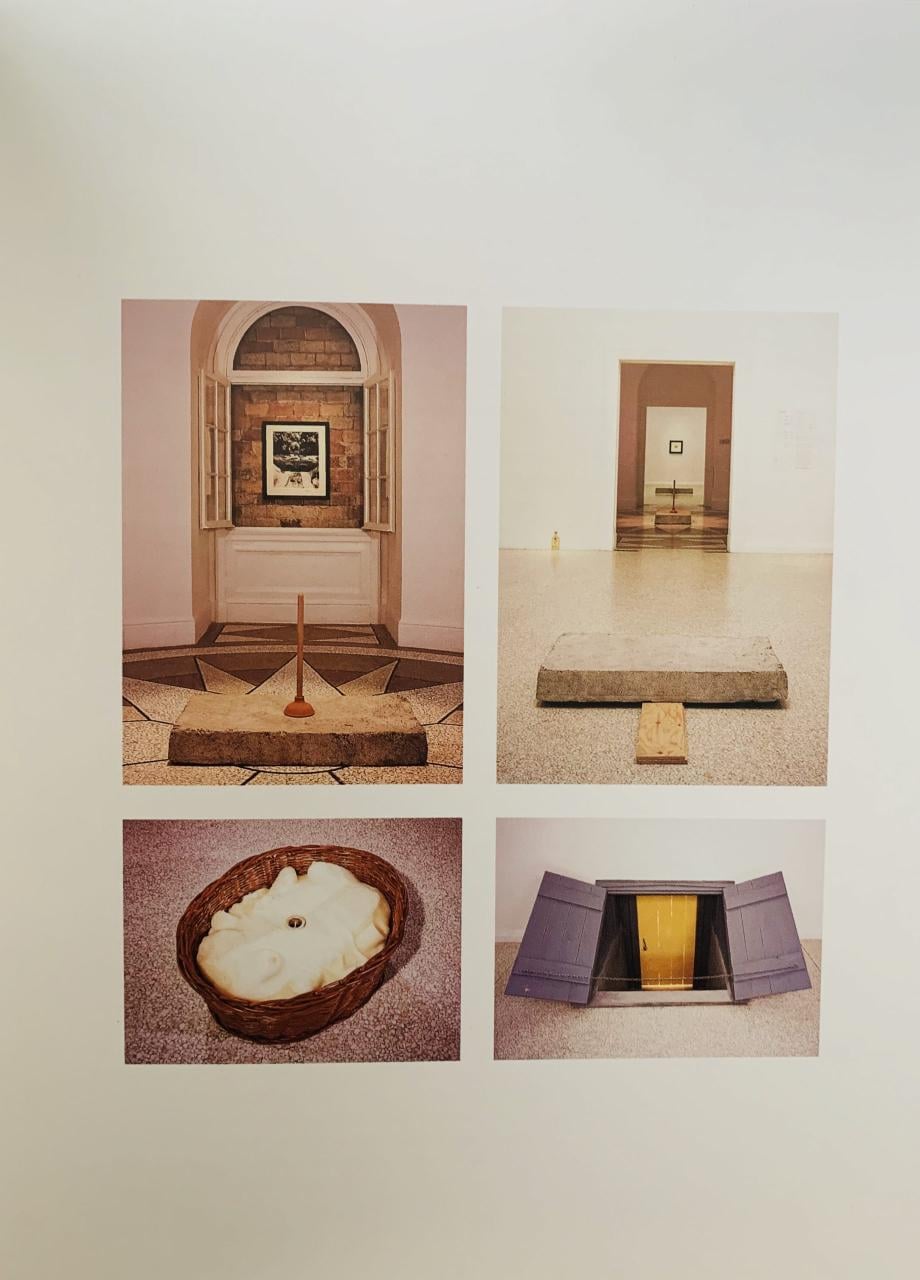
Gober's representation of the United States at the 2001 Venice Biennale produced one of the most widely discussed American pavilion installations of that decade. The work presented an immersive environment integrating sculpted body fragments, altered newspapers, and architectural interventions within the historical fabric of the pavilion building. Critics noted the installation's capacity to transform a prestigious nationalist platform into a meditation on marginalised bodies and contested national narratives, a characteristic Goberean manoeuvre of working within institutional structures whilst subtly but persistently
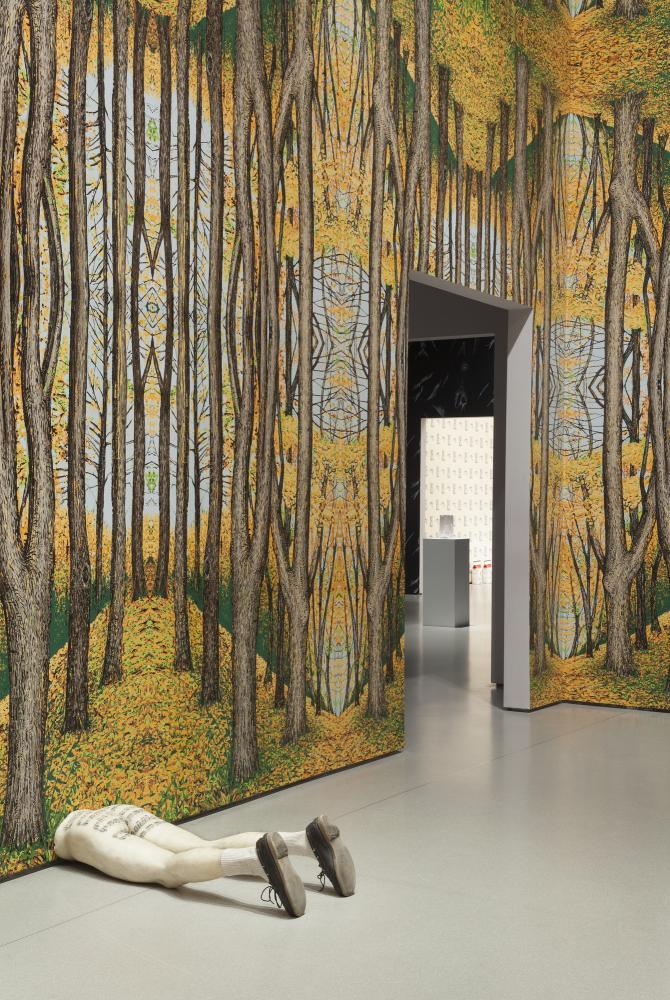
The Museum of Modern Art's retrospective, Robert Gober: The Heart Is Not a Metaphor, constituted the most significant institutional assessment of his career. Spanning four decades of production, the exhibition demonstrated the coherence and ambition of Gober's practice whilst revealing its evolution across time. Critical responses emphasised the retrospective's emotional power alongside its intellectual complexity, a combination that speaks to Gober's rare ability to sustain rigorous formal and conceptual inquiry without sacrificing affective resonance.
Insights into the Artist's Personal Life and Working Practice
Gober is notably reticent about his personal life in public discourse, a guardedness that is itself consistent with the oblique, allusive quality of his art. He works slowly, producing relatively few objects each year, and has maintained a consistent commitment to handcraft as the foundation of his practice. This deliberate pace is reflected in the density and precision of each work: nothing is casual, nothing merely gestural.
His long-term partnership with the artist Donald Moffett has been acknowledged in interviews, and his personal experience of the AIDS epidemic, including the loss of close friends and community members, has been cited as a formative influence on the political urgency that underpins his work. Gober's engagement with Catholic iconography also carries a personal dimension: though his relationship to institutional Catholicism is critical rather than devotional, the symbolic language of that tradition clearly continues to hold a profound imaginative charge.
Gober has collaborated with other artists and curators, and has been an active participant in New York's cultural institutions. He is represented by the Matthew Marks Gallery in New York and Los Angeles, which has hosted numerous solo exhibitions since the early 1990s.
Robert Gober in the Context of Contemporary Art History
Situating Gober within the broader currents of late twentieth-century art requires acknowledging both his debts and his departures. His practice engages productively with the legacy of Minimalism, particularly in its attention to the phenomenology of spectatorship and the significance of installation context, whilst fundamentally rejecting Minimalism's claims to impersonality and formal purity. Similarly, whilst Gober shares certain preoccupations with the Pictures Generation artists who emerged in the late 1970s (particularly their critical scrutiny of representation and mass culture), he operates through fabrication and handcraft rather than appropriation.
His affinities with artists such as Bruce Nauman, Kiki Smith, and Mike Kelley are frequently noted by scholars: all four artists engage with the body as a site of cultural inscription, all four draw on the vernacular materials and spaces of everyday life, and all four deploy a formal intelligence in the service of affective and political ends. Yet Gober's work remains distinctly his own, characterised by a quietness, a formal economy, and a depth of personal investment that distinguishes it from more overtly theatrical or polemical contemporaries.

Enduring Significance: What Robert Gober's Art Continues to Tell Us
Robert Gober's oeuvre endures not because it offers comfort or resolution, but because it refuses both. His sculptures and installations demand sustained attention, rewarding viewers who are willing to sit with ambiguity and to allow familiar objects to become strange. The body fragmented, wounded, desired, mourned remains at the centre of his practice, and in this commitment Gober speaks to questions that extend far beyond the concerns of any single moment.
As contemporary culture continues to navigate urgent debates about bodily autonomy, sexual identity, religious authority, and the politics of memory, Gober's work retains a remarkable critical currency. His handmade objects, each one the product of extraordinary labour and care, insist that these questions deserve nothing less than our full attention. For collectors, institutions, and scholars alike, engaging with Gober's practice remains one of the most challenging and rewarding encounters that contemporary art has to offer.