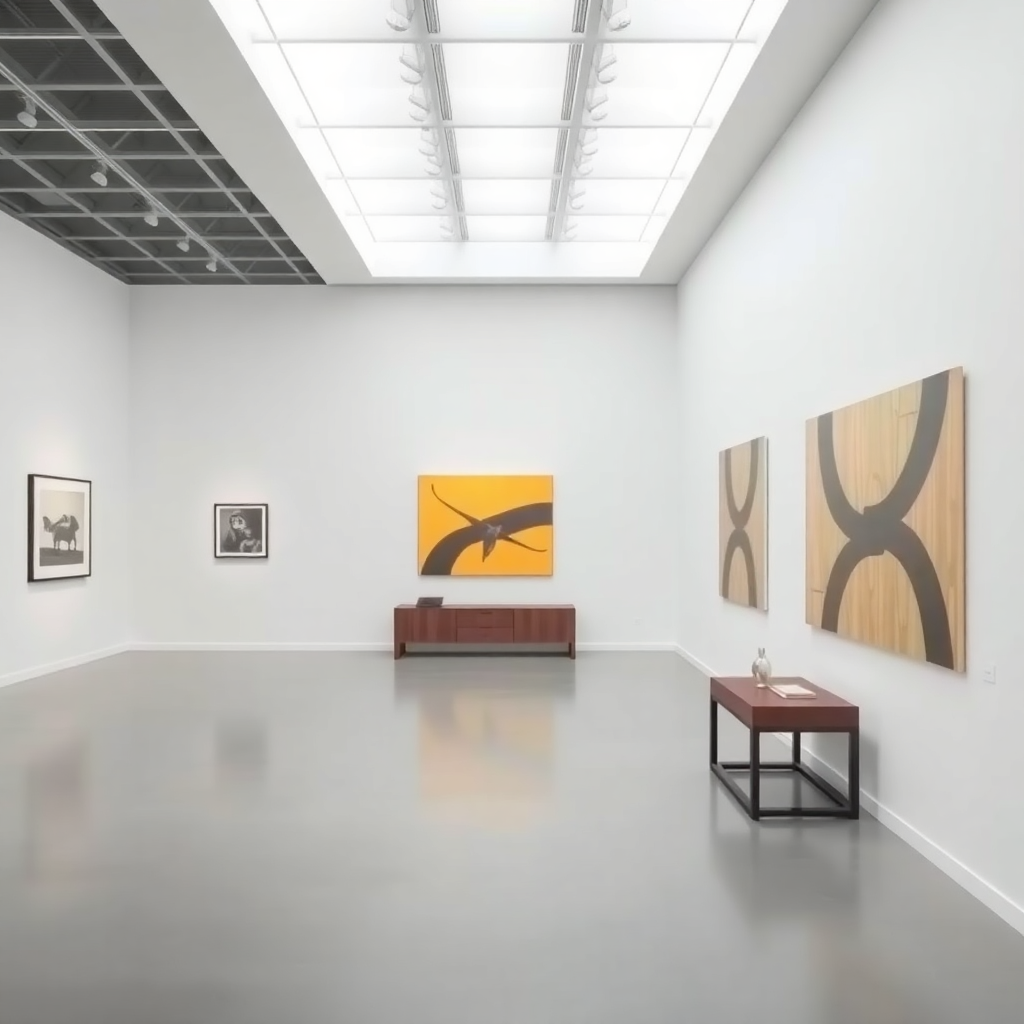
Finding your artistic voice is essential in establishing your place in the art market. Equally important is aligning your skills with a specific art movement or stylistic approach that not only complements your natural abilities but also resonates with contemporary art collectors and audiences.
This article explores why selecting the right style is pivotal for long-term success and breaks down prominent art movements, highlighting their characteristics, advantages, and challenges.

Why Aligning Your Skills with a Style Matters
Every artist brings a unique set of talents, ideas, and techniques to their craft. However, not all skills translate equally across different art styles. For example, an artist with a keen eye for detail and technical precision might feel stifled in Abstract Expressionism but thrive in Realism. Conversely, someone with a knack for bold experimentation can excel in Surrealism or Abstract Art but may struggle with the rigid conventions of Classical or Academic painting.
By choosing an art movement that aligns with your skills, you can refine your craft and build a signature style that marks your work as distinct. This focus also makes it easier to market your art, as collectors, galleries, and clients often value consistency and mastery within a particular style.
An Analysis of Art Movements, Their Pros, and Cons
Below, we’ll examine several major art movements, detailing what kind of skills they require, their advantages, and potential challenges.
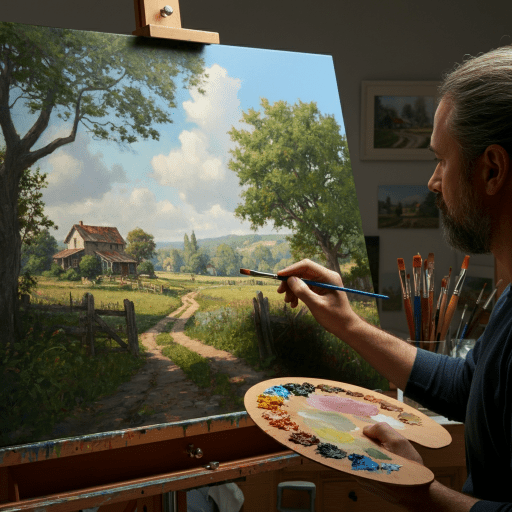
1. Realism
Overview: Realism seeks to portray subjects as they appear in real life without exaggeration or stylization. It emphasizes technical precision and the accurate depiction of light, texture, and anatomy.
Best Suited For:
Artists with strong observational skills, attention to detail, and proficiency in traditional techniques like drawing and painting.
Pros:
- Highly valued in commissioned work (portraiture, landscapes, etc.).
- Appeals to a broad audience due to its accessibility and relatability.
- Demonstrates technical mastery, often gaining respect in academic circles.
Cons:
- May be perceived as less innovative in today’s conceptual art-driven market.
- Requires mastery of demanding techniques, which can take years to refine.
- Limited room for personal or conceptual expression.